

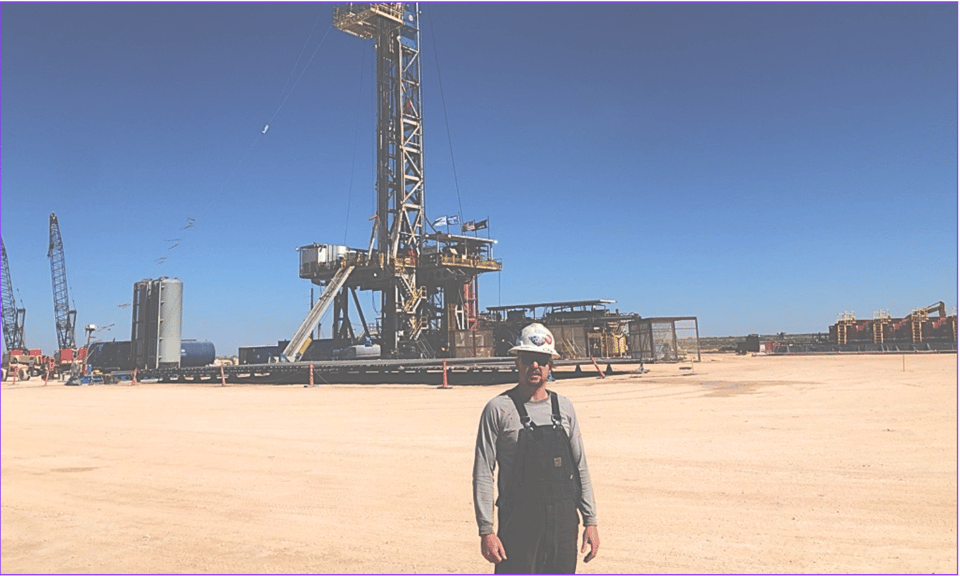
When I started as an MWD field technician in 2011, the industry looked a lot different. I still remember arriving at my first rig in Pyote, TX—my first day on the job, my first time in West Texas, and my first time seeing a drilling rig up close. While I wasn’t around for the days of dropping acid-filled glass bottles downhole to measure inclination, I came in early enough that being sent to a rig without internet access wasn’t uncommon.
A Tough Job in the Barnett Shale
One memory that stands out is drilling in the Barnett Shale near Boyd, TX, in 2012. The Barnett had a reputation for easy drilling and easy living, but that particular job was anything but. At the time, natural gas prices were falling fast, and so was the rig count. The energy company we were working for was making contract decisions based on performance—namely speed and a flawless safety record. That meant zero tolerance for downtime, especially when it came to MWD.Trouble Catching Sync
We weren’t more than a couple of surveys into the lateral when we started struggling to catch sync. At first, the cause wasn’t obvious. Sync pulses before the RxDT elapsed? No. The signal was strong, yet one pulse in the sync sequence was slightly off, throwing the outdated decoding software into confusion. No visible noise in the pressure trace. Same behavior running two pumps or one, at varying flow rates. Meanwhile, the company man was breathing down my neck, threatening to “run me off” if we didn’t fix the issue immediately. In the Barnett, drilling fast wasn’t just expected—it was required.
Diagnosing the Downhole Problem
Everything pointed to the top-mount pulser downhole. With no immediate solution, I swapped components, adjusted flow parameters, and hoped the conditions downhole would shift just enough for the MWD decoder to catch sync. Otherwise, we’d have no choice but to trip—a costly and frustrating outcome for a tool that was otherwise functioning perfectly.
Field Support Was Limited
Back then, you called your coordinator, but if they didn’t have an answer, you were on your own. Real-time support from product manufacturers was almost nonexistent. It was high-pressure, problem-solving in its rawest form.
A Decade Later: Supporting the Field
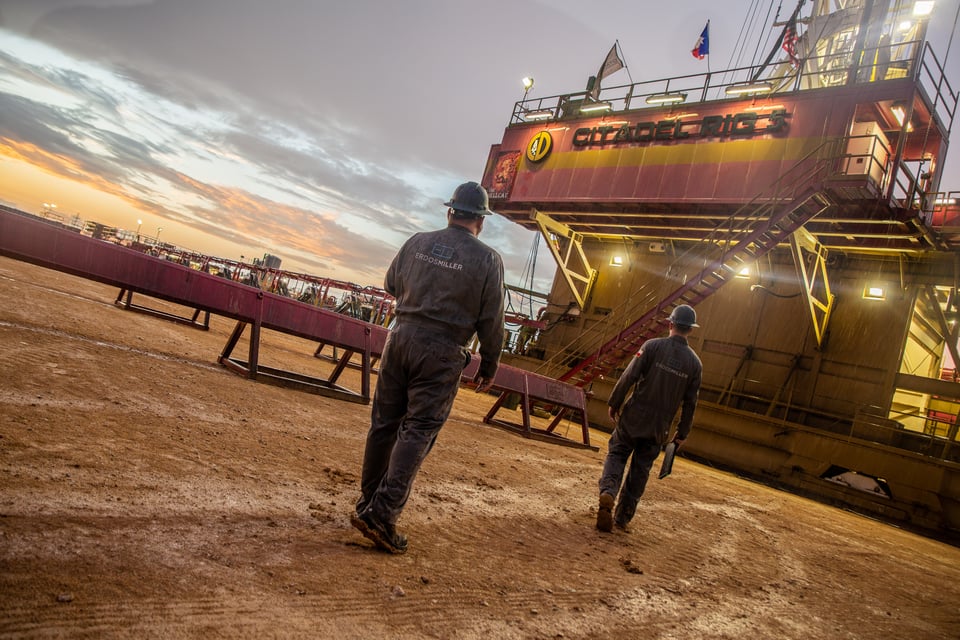
Fast-forward a decade, and I found myself on the other side of the equation—handling support requests for Erdos Miller. One call in particular stands out. A field hand reported an abrupt loss of confidence after the survey sequence was decoded. Much like I had felt 10 years earlier, he was isolated, with no one to turn to for help. Morale at the rig site had plummeted, and all fingers were pointing at him as the cause.
Finding the Root Cause
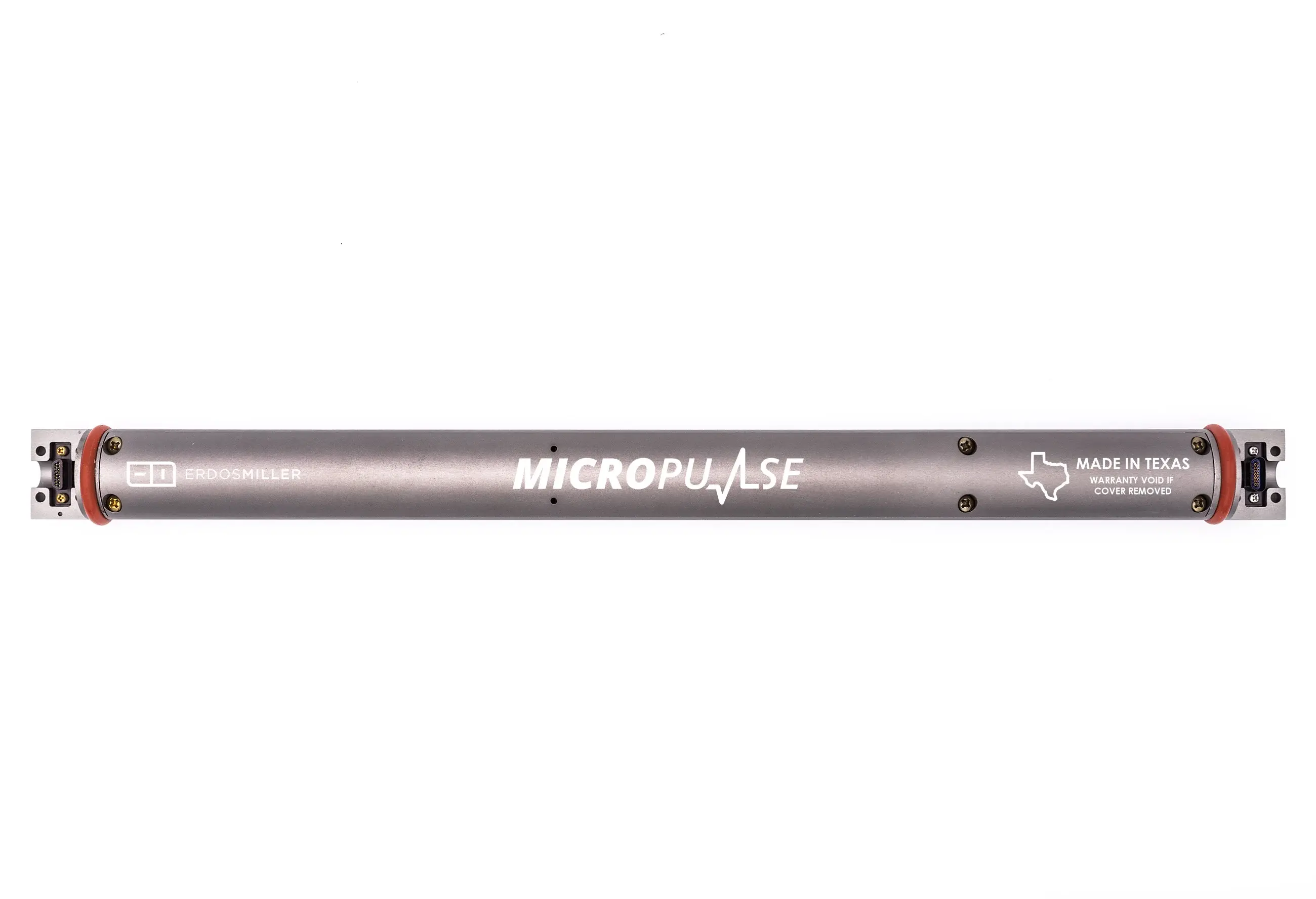
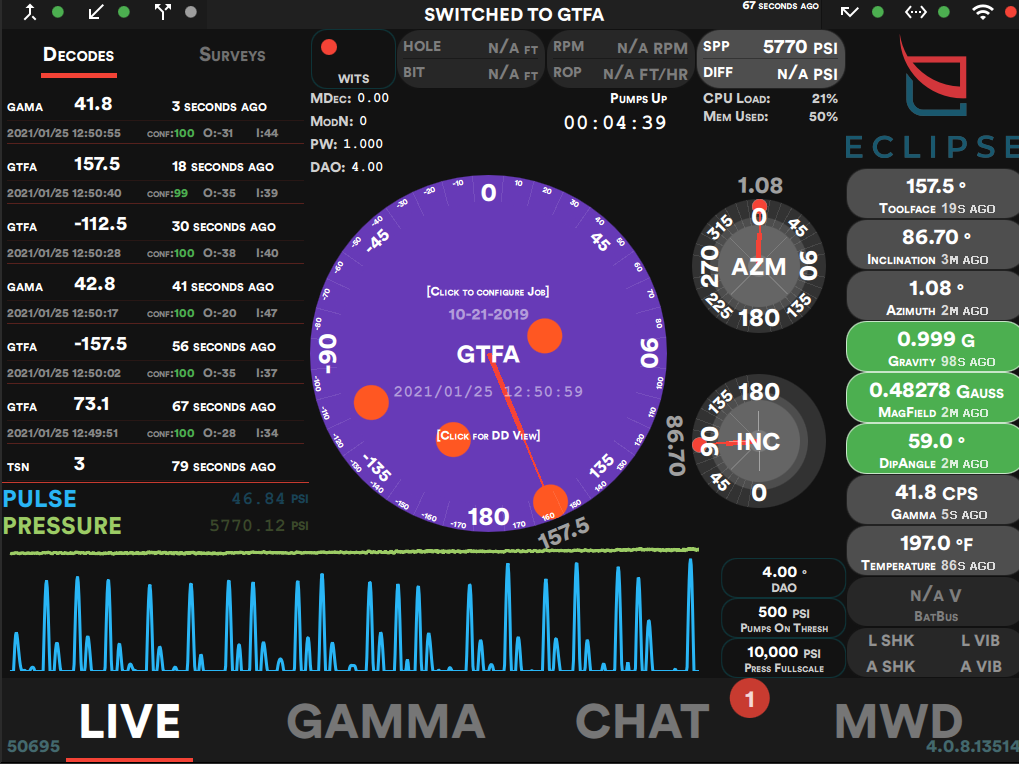
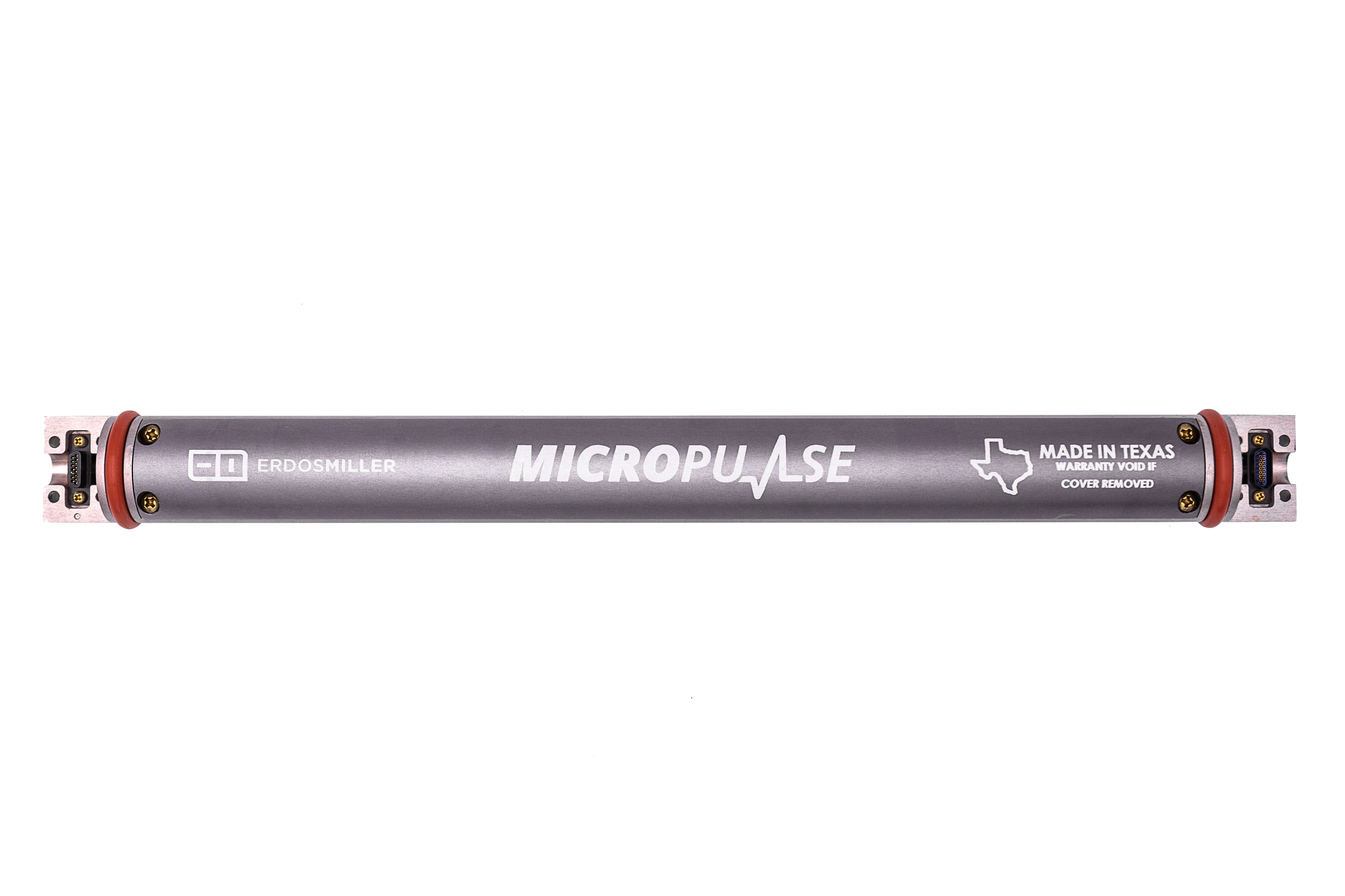
I dug into the issue. It wasn’t just a confidence drop—Eclipse Touch wasn’t decoding, yet there were no signs of pump noise. The pulses were as clean as a bank test, which ruled out typical downhole interference. Everything pointed to a misconfiguration. After a few targeted questions, he mentioned programming the MicroPulse with a backup computer, though he was certain he had loaded the correct configuration into the decoder on the primary shack laptop. Once I accessed the backup laptop’s database, the problem became clear—the configuration used to program the tool didn’t quite match the one in the decoder. A quick correction, and within minutes, the issue was resolved. Drilling and gamma logging could resume.
The Relief of Solving the Problem
I’ll never forget the deep sigh of relief I heard over the phone. In that moment, I was transported back to my early days—sitting in a dusty trailer in the middle of West Texas, facing my own set of high-stakes challenges. Those sighs of relief, those moments of turning stress into solutions, make every late-night call and long shift worth it.
Why Support Matters
In 2024, less than 5% of the support requests we received involved non-productive time (NPT). Considering that NPT can be the deciding factor in whether a service company keeps or loses a contract, these moments can make or break careers as well as small MWD companies.
Coming Full Circle
In many ways, my MWD career has come full circle. From being the one struggling to find answers in the field to now being part of the solution, it’s been an incredible journey.
Author:

Clayton Carter - Field Support Specialist
Contact us today to learn more.
Submit your comment below:
.png?width=352&name=Copy%20of%20MicroPulse%20Datasheet%202026%20(1).png)
