Why Today's Wells Demand a New Generation of MWD Technology
Wells Have Changed. Has Your MWD Technology?
In Argentina's Vaca Muerta, lateral lengths have tripled in a decade, from around 1,000 meters in 2014 to over 4,400 meters by 2022, with super laterals now exceeding 5 kilometers.
Today's wells are longer, faster, and far more demanding than ever before. Yet many drilling operations still rely on legacy directional modules inside many MWD strings that were designed for a very different era.
A downhole tool failure doesn't just cost you a tool. It costs time on today's extended-reach wells; wells that are longer, more complex, and significantly more expensive than anything legacy MWD systems were built to handle. The consequences go far beyond replacement costs: hours of nonproductive time (NPT), missed drilling targets, unnecessary trips, and increased operational risk where every hour of rig time carries a premium.
Modern wells deserve modern directional technology.
The Problem Isn't Performance. It's Architecture
Legacy directional modules were engineered with the best technology available at the time. But drilling has evolved, longer laterals, faster penetration rates and higher vibration environments have changed the demands placed on MWD tools.
A traditional directional module typically measures nearly five feet long and relies on multiple housings, electronic assemblies, power supplies, sensors, seals, and threaded connections working together.
Every additional component introduces another opportunity for failure in today's demanding drilling environment.
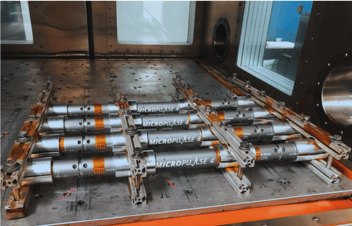
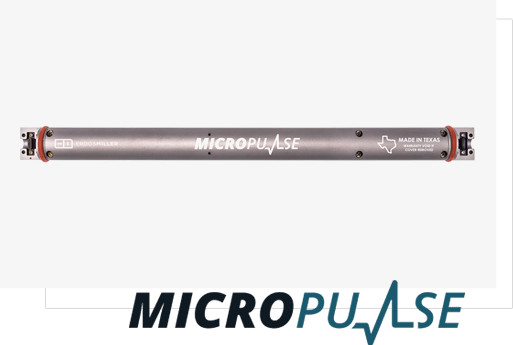
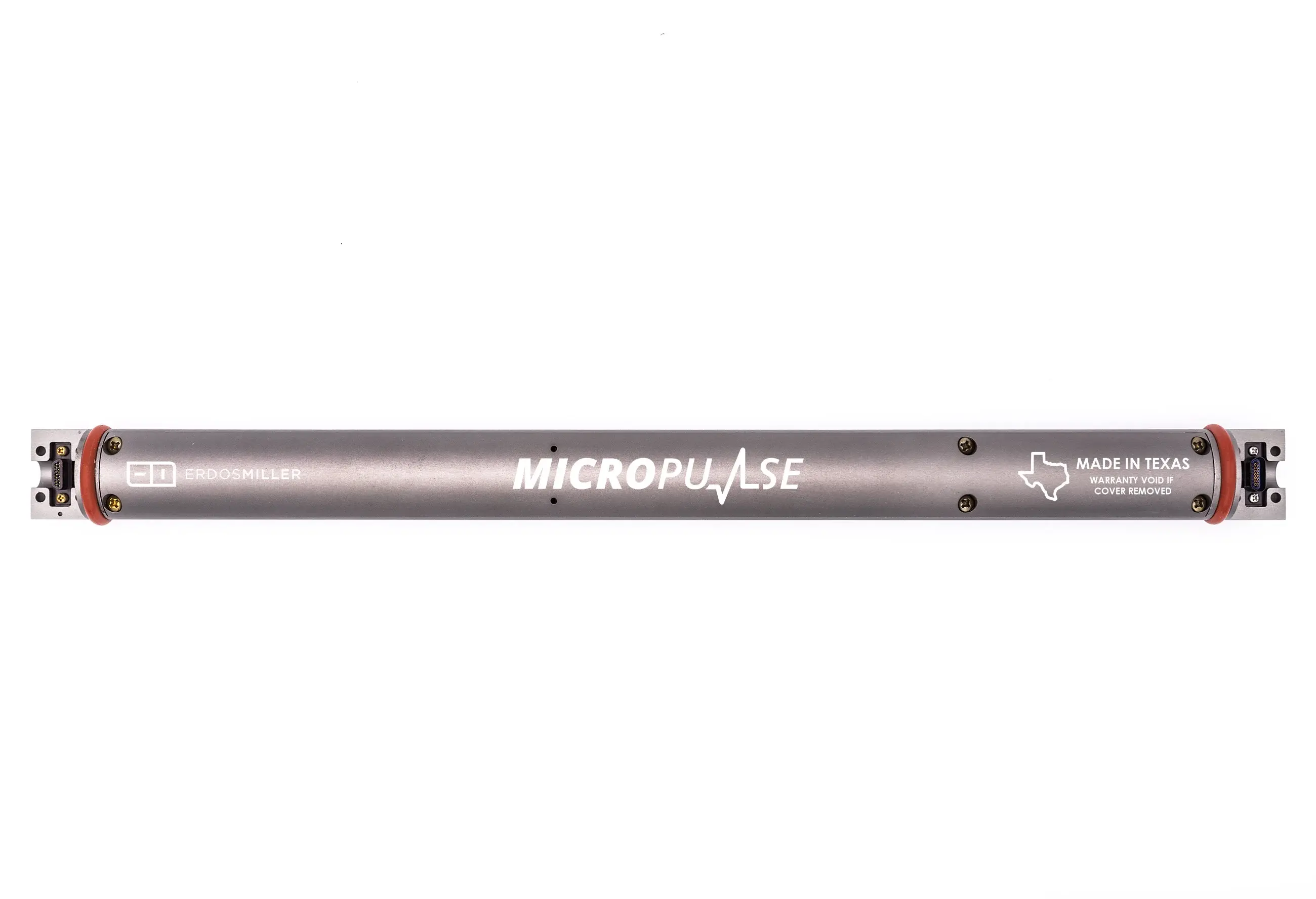
The MicroPulse 3+ takes a fundamentally different approach.
At less than 20 inches MDM-to-MDM, it eliminates more than two feet of directional module length while delivering the full functionality expected from a modern MWD system.
.png?width=960&height=679&name=Copy%20of%20MicroPulse%20Datasheet%202026%20(1).png)
Built for Today's Wells
But the advantage isn't just size. The MicroPulse 3+ is built around a compact unibody chassis machined from a single piece of aluminum, eliminating many of the internal mechanical interfaces found in traditional directional modules. The rigid unibody construction helps resist bending and torsional loading during assembly and drilling, preserving sensor alignment while reducing potential failure points.
The result is a smaller, stronger directional module that can be positioned closer to the bit, simplifies BHA design, and provides greater flexibility for modern drilling assemblies.
LESS COMPLEXITY.
MORE RELIABILITY.
Complexity Is the Enemy of ROI.
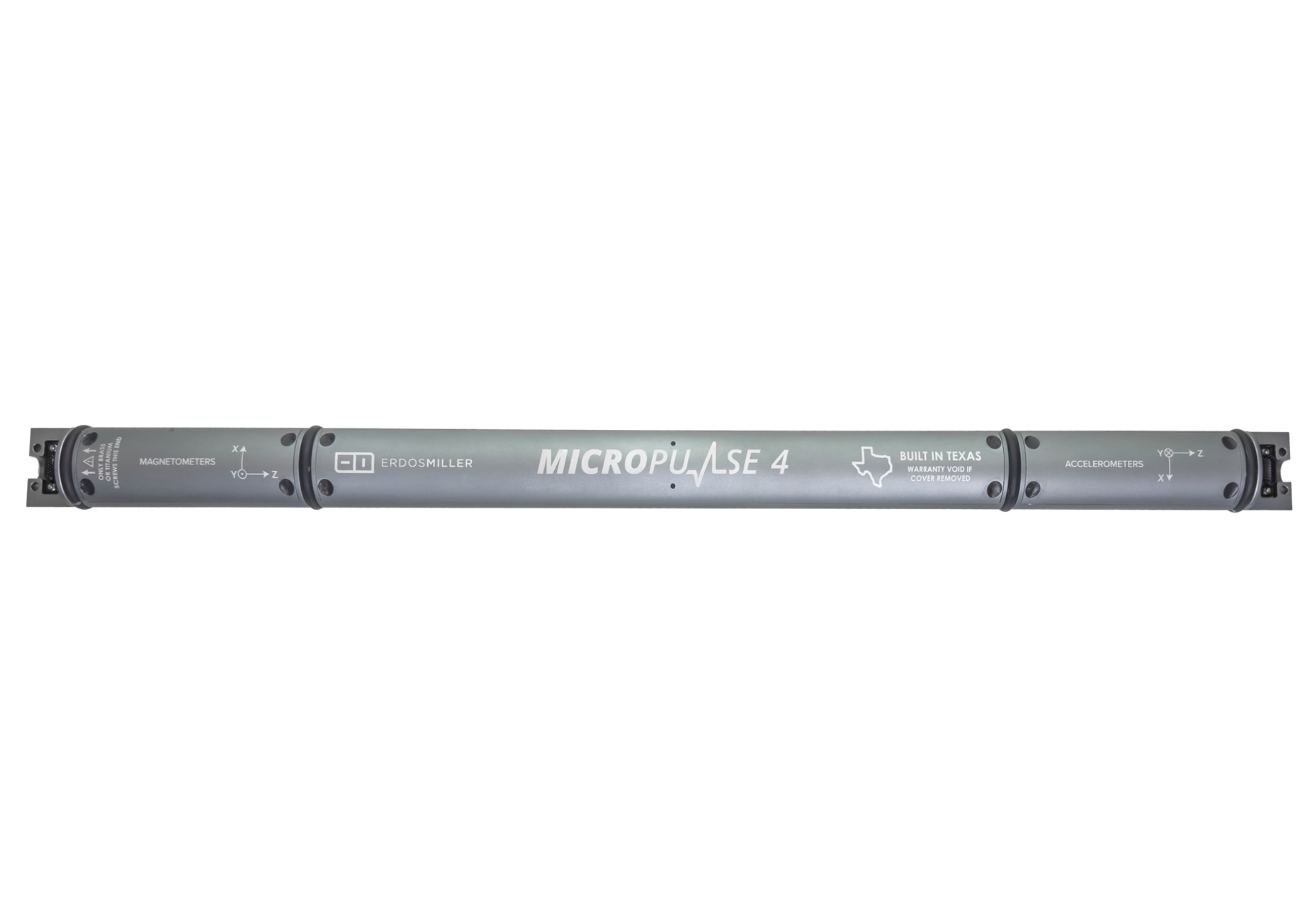
Legacy tools rely on quartz accelerometers — delicate resonating mechanical elements that struggle in high-vibration, high-RPM environments.
Modern MEMS sensors (like the MicroPulse) are solid-state. No moving parts. Built to handle the shock and vibration that compromises legacy sensor accuracy. Smaller, more robust, and better suited to today's drilling environment.
For operators managing lean budgets and long supply chains, that reliability difference isn't just technical — it's financial. The result is a lower total cost of ownership and a faster return on investment. Rather than investing capital into maintaining aging technology, companies can deploy a more resilient platform that reduces maintenance burden while improving operational uptime and improving return on every well drilled.
What This Means at the Rig
Simpler BHA Design
The MicroPulse 3+'s compact design gives drilling engineers more flexibility when configuring the BHA. Its shorter length allows the directional sensor to be positioned closer to the bit, reducing projection distance and improving placement accuracy in long horizontal laterals.
Fewer Failure Points
A shorter, unibody design means fewer housings, seals, threaded connections, and internal interfaces. Fewer components reduce potential failure points, lower maintenance costs, and help minimize nonproductive time (NPT) caused by downhole tool failures.
Mechanical Engineers always say "the best part is no part at all". When designing the MicroPulse we consolidated components to eliminate duplication achieve in software what legacy directional modules achieved with hardware. The best part about software? Totally immune to shock, vibration and temperature.
Better Directional Awareness
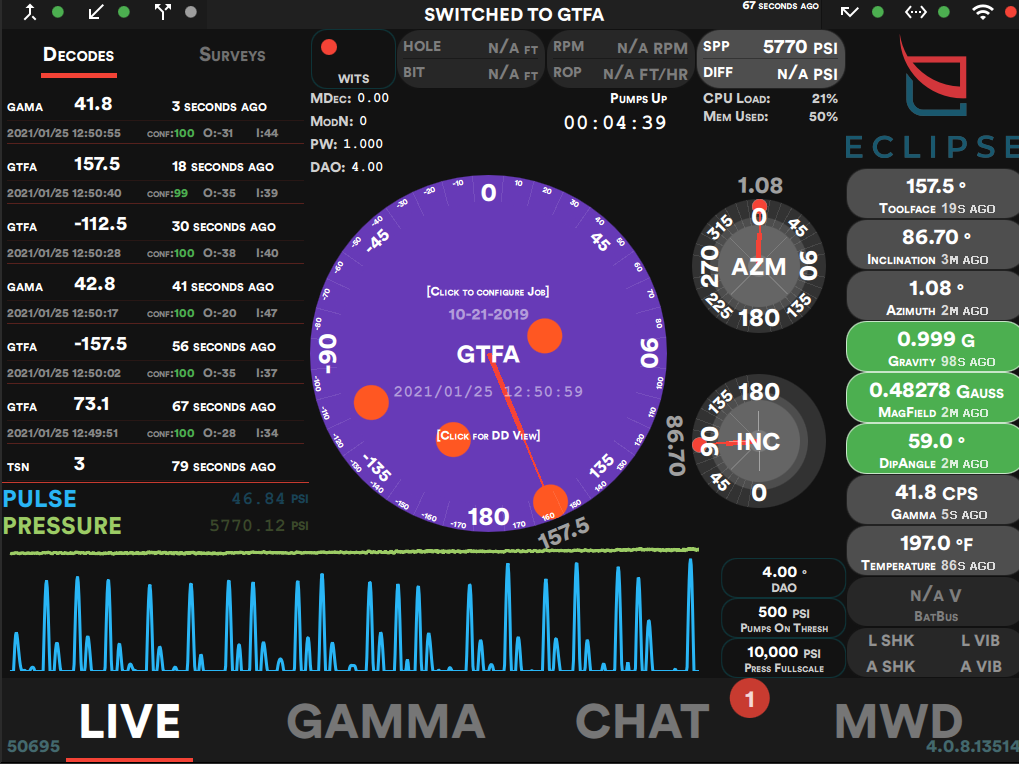
The MicroPulse 3+ continuously calculates inclination, azimuth, toolface, stick-slip, and RPM using advanced processing. Instead of relying only on periodic surveys, drilling teams receive continuous directional information during both rotary and sliding operations, allowing them to identify trends sooner and make faster drilling decisions.
Easy to Adopt
Switching to the MicroPulse 3+ is straightforward. Install the appropriate snubbers and barrel lengths, configure the tool in Eclipse Touch, and you're ready to drill. The upgrade fits naturally into existing workflows without requiring a complete system redesign.
Click here to learn more about MicroPulse specific features - APPLICATION NOTES
The Bottom Line.
Legacy MWD tools didn't fail. They were just built for a world that no longer exists. You're drilling 2026 wells with 2010 tools. That gap is costing you — in NPT, in reliability, and in directional accuracy. There's a better option and switching is straightforward.
The question isn't whether modern tools outperform legacy systems. The question is how much that performance gap is costing you per well — and how many wells you're willing to drill before making the change.
Ready to Modernize Your MWD System? Talk to an MWD Specialist here.
Author

Justin Campos - Field Support Specialist
Our PRODUCTS
RELATED BLOGS: