.png?width=465&height=308&name=e%20(6).png)
TV shows about oil and gas usually fall into one of two camps: wildly inaccurate or so technical they lose the audience. Landman manages to walk an interesting line between the two. While it leans into drama for entertainment, the show also captures many real dynamics of the oil and gas industry — from mineral rights disputes to safety risks, workover rigs, and high-stakes financial decisions. Instead of breaking the show down episode by episode, it’s more useful to look at the bigger themes Landman explores and how they reflect real-world operations in the field.
Mineral Rights vs. Surface Rights: Who Actually Owns the Land?
One of the most important — and often misunderstood — concepts the show highlights is the separation of mineral rights and surface (land) rights. In Landman, Jimmy (Cartel Member) claims ownership of the land, while Tommy explains that although Jimmy owns the surface, the mineral rights were sold decades earlier and passed through several companies before landing with M-Tex.
.png?width=465&height=309&name=e%20(7).png)
This setup is extremely common in oil and gas.
- Mineral rights cover everything below the surface: oil, gas, coal, and other minerals.
- Surface rights apply to what happens on top of the
land — farming, building, and living on it.
Because these rights can be owned by different parties, operators typically negotiate Surface Use Agreements. These agreements compensate the surface owner for roads, well pads, and drilling activity. The show revisits this dynamic multiple times, including a rancher receiving monthly payments while also pursuing damages after a fire burned thousands of acres (episode 1). It’s a realistic portrayal of how negotiations between surface owners, mineral owners, and operators are ongoing — not one-time conversations.
Lease Roads, Access, and Liability
Landman also does a good job showing how critical lease roads are to oilfield operations. These private roads exist solely to provide access for rigs, workover units, maintenance crews, and emergency vehicles. They are not public roads, and that distinction matters.
In one storyline (episode 4), temporary access is granted to a third party to bypass highway construction. Once that construction ends, the access agreement ends as well — a detail that becomes central after a fatal accident. This reflects real liability issues in the industry: access rights, written agreements, and timing can determine who is responsible when something goes wrong.
Even Jimmy’s demand to be paid for product lost in a plane crash ties back to this same concept. While he owns the surface, the lease road itself exists because of the mineral lease and will eventually revert to him only after that lease expires. These layered ownership issues are messy in real life, and the show captures that tension well.
Safety, Shortcuts, and Real Consequences
Oil and gas is an inherently dangerous industry, and Landman doesn’t shy away from that reality. Blowouts, rig floor accidents, and crushed workers aren’t exaggerated inventions — they’re risks crews actively work to prevent every day.
The show acknowledges a difficult truth: safety procedures are strict and mandatory, but in the real world, shortcuts still happen. Whether it’s striking equipment the wrong way, failing to fully check for leaks, or standing on casing that can roll, small decisions can have deadly outcomes. Scenes involving derrick hands, floorhands, and casing accidents reflect incidents that have happened before and continue to shape safety training across the industry.
Workovers: Squeezing More Life Out of Old Wells
One of the more technically accurate themes in Landman is the use of workover rigs (episode 4). These smaller rigs are brought in after a well has already been drilled and produced. A workover can involve pulling tubing, replacing pumps, or repairing downhole equipment — all with the goal of increasing production.
When the show highlights a well jumping to 250 barrels per day after a workover, that’s a legitimate success story. While workovers cost money, the investment often pays for itself over time and can extend the life of a well significantly. This strategy is especially appealing when capital is tight or when operators want lower-risk returns compared to drilling new wells.
Fracking, Formations, and Why Depth Matters

As the show progresses, it shifts toward modern drilling strategies like horizontal drilling and hydraulic fracturing. Early wells were shallow — under 2,000 feet — and produced limited volumes. Today’s wells target deeper formations, especially in places like the Delaware Basin, where there are roughly 15 different rock formations stacked between about 4,500 and 14,000 feet.
Fracking works by drilling vertically to the target formation, then horizontally through it. Steel casing is set along the entire wellbore, and a high-pressure mixture of water, sand, and small amounts of chemicals is pumped into the rock. This creates tiny fractures, held open by the sand, allowing oil and gas trapped in shale to flow into the well.
These wells are expensive — often $11–18 million per well — but the potential returns are much higher, which is why operators are willing to take the risk.
Farm Outs, Capital Pressure, and Oil Prices
Another realistic aspect of Landman is its focus on farm-out agreements. When a company doesn’t want to shoulder all the financial risk — or simply lacks the capital — it may partner with another operator and split profits. Deals like a 60/40 split across dozens of wells are common, especially in capital-intensive plays.
The show also touches on a real shift in the industry after 2015. As banks tightened lending to high-emission industries following the Paris Agreement, many oil and gas companies lost easy access to credit. That pressure forced operators to get creative through partnerships, farm-outs, and asset acquisitions.
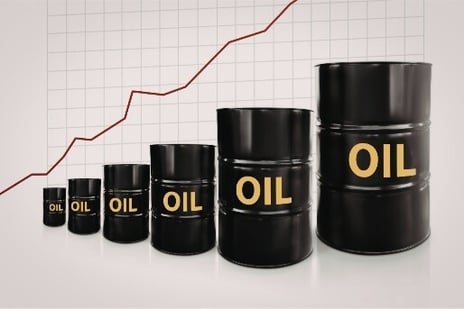
Oil price discussions in the show are also grounded in reality. Prices that are too low make drilling uneconomic; prices that are too high hurt consumers and weaken demand. The “sweet spot” isn’t about greed — it’s about stability.
-1.png?width=474&height=316&name=e%20(2)-1.png)
Man Camps, Frac Ponds,
and Life in the Patch
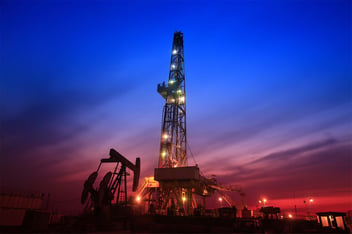
From man camps housing rotational crews to frac ponds supplying water for completions, Landman captures the physical reality of oilfield life. While swimming in a frac pond is obviously dramatized (and unsafe), the ponds themselves are real and essential to modern operations. Flaring stacks lighting up the night sky are also common, safely burning off excess gas to prevent dangerous pressure buildup.
Final Thoughts
Landman isn’t a documentary — but it isn’t pure fiction either. By weaving real industry practices into its storytelling, the show gives viewers a glimpse into the complexity, risk, and constant negotiation that define oil and gas work. From land ownership disputes and safety challenges to workovers, fracking, and billion-dollar decisions, the series reflects an industry that is far more nuanced than it’s often portrayed.
For anyone curious about how the oil patch actually works, Landman offers a surprisingly solid starting point — drama included.
AUTHOR

Justin Campos - Field Support Specialist
Leave a comment below: